


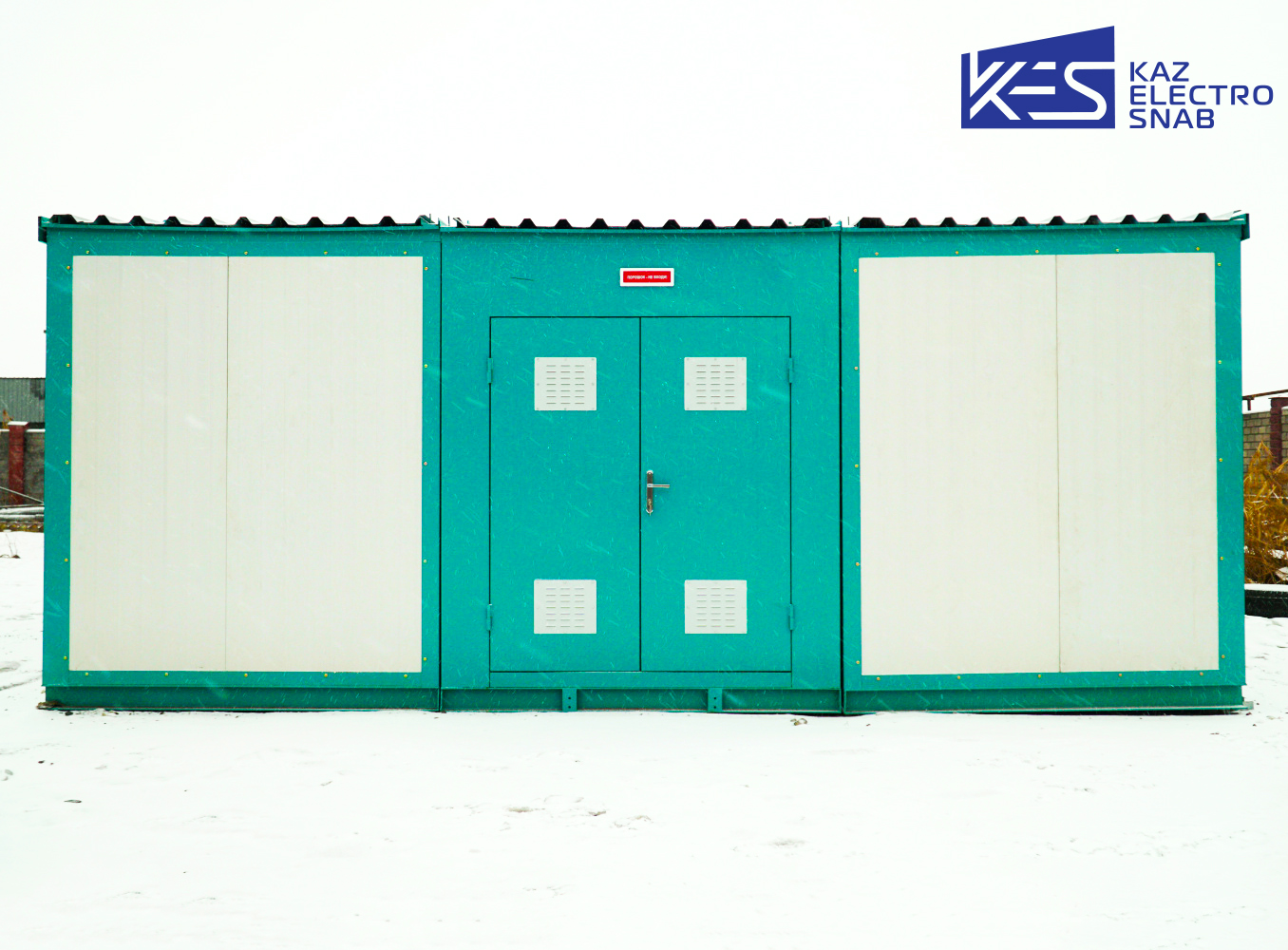
The transportation of CTS blocks within buildings requires careful handling to ensure safety and prevent damage. Overhead cranes are the preferred method, but when cranes are unavailable, alternative methods such as trucks, trailers, tractors with sleds, or metal sheets (at least 3 mm thick) can be used to move blocks to the installation site. For short distances across floors, winches with a pulling force of 5–8 tons are recommended, with blocks rolling on metal pipe rollers (3–4" diameter), using at least four rollers per block. The winch cable must be attached to the cabinet circumference, avoiding contact with cross-braces or painted surfaces to prevent damage.
Key Transportation Guidelines
- Manual transport for light loads: Blocks up to 1 ton can be moved using roller carts, trolleys, or roller crowbars.
- Inclined plane movement: For basement descents or floor-to-floor transfers without lifting devices, blocks are moved along a floor slope of no more than 15°. Flooring should be at least 40 mm thick and secured with construction staples.
- Winching: Use brake winches for controlled lowering of transformers filled with oil or Sovtol along inclined planes.
- Use of lifting equipment: In tight spaces, hoists, chain hoists, and pull blocks may be required. Ensure the building elements used to secure lifting devices can handle the loads.
- Safety precautions: Always prevent damage to paintwork, cross-braces, and other sensitive parts during movement. Follow the permissible load limits of building structures when fixing lifting devices.
Advantages of Proper Transportation
- Minimizes risk of damage to CTS blocks during movement.
- Ensures safe handling for personnel and equipment.
- Allows installation in locations with limited space and restricted access.
- Provides flexibility for short-distance and inclined-plane transportation.
- Maintains structural integrity of both blocks and building elements.
Proper transportation of CTS blocks is critical to the safe and efficient installation of substations. Using overhead cranes, winches, inclined planes, and other approved methods ensures the integrity of the blocks, prevents damage to building structures, and guarantees safe working conditions. Planning and adherence to load limits are essential for every installation scenario.
Перейти в другие разделы:
- Трансформаторные подстанции 2КТПГ 2500кВА с РП ― KazElectroSnab
- Трансформаторные подстанции 2КТПГ 400-6(10)/0,4
- Трансформаторные подстанции 2КТПГ 4000кВА с РП ― KazElectroSnab
- Трансформаторные подстанции 2КТПГ 630-6(10)/0,4
- Трансформаторные подстанции 2КТПП ― KazElectroSnab
- Трансформаторные подстанции 2КТПП 2500-6/10/0,4
- Трансформаторные подстанции 2КТПуМБ 63-10(6)/0,4кВ
- Трансформаторные подстанции Substation ― KazElectroSnab
- Трансформаторные подстанции Unit Transformer Substation ― KazElectroSnab
- Бетонная комплектная трансформаторная подстанция
- Бетонная трансформаторная подстанция
- БКРП (Блочно комплектные разделительные пункты)
- Трансформаторные подстанции БКРТП ― KazElectroSnab
- Каталог БКТП от KazElectroSnab в Казахстане
- Блочно комплектная трансформаторное подстанция в железобетонно монолитном оболочке 2КТПБ 10/0,4кВ
- Трансформаторные подстанции Блочно модульное здание распределительного устройства ― KazElectroSnab
- Трансформаторные подстанции Блочные комплектные распределительные устройства БКРУ ― KazElectroSnab
- Трансформаторные подстанции БМ КТП ― KazElectroSnab
